
SPOILERS AHEAD:
I saw Hereditary on it’s opening night here in Australia, and walked out of the cinema absolutely captivated and in shock. My friend on the other hand, hated the film and found it quite boring. In this post I want to delve deeper into the reason why ‘Hereditary’ has 89% on rotten tomatoes, but only 66% of the general public enjoyed it.
It is not your conventional horror film. Over the past decade or so, horror movies have turned into a jump-scare thrill rides full of throw away characters and cliche plots. Which boils down to films such as ‘The Nun’ and ‘Ouija’. These films provide us with what I like to call a “safe horror experience,” we know what is going to happen and know we will get a few adrenalin pumping moments from jump-scares and the tension that occurs before one. But that’s all these films can provide. ‘Hereditary’ is a slow-burning, tension-building film that is just absolutely brutal until the credits role. Mainstream audiences do not like this concept when they are walking into theatres to see a horror film, they just want an easy-going film with a few jump-scares and a CGI monster that appears on the posters. ‘Hereditary’ was the complete opposite, it broke every convention a “cliche” horror movie has.
The marketing of this film was also a downfall for mainstream audiences. The trailer perceives Charlie (the daughter) to be this creepy girl that is going to haunt and torment her family through the clicking noises she makes with her tongue. But when she is killed off forty-five minutes into the film, the audience realises this is not going to be your typical horror film, but a dark descent into a story about family grief and inevitable misery. Which personally, this concept is one hundred percent more terrifying than a monster under the bed or a scary-looking nun lurking around a church. Audiences went into ‘Hereditary’ expecting the opposite of what they got, which cause 44% of people to dislike the film, but it to be a masterpiece for critics and film nerds. The marketing could be criticised or applauded, either way, mainstream audiences were not happy with the film.
The film is also hard to follow at times. It requires thinking, focus and reading into things way too much in order to understand the crazy third act of the film. Mainstream audiences highly disregard films that are “hard” and require thinking, as they just want to spend their fifteen dollars to go into a film that is easy to follow and can have a good time watching. ‘Hereditary’ is the exact opposite to this, and what I think was a major downfall for mainstream audiences. But once again, this aspect of the film is why I adored it so much.
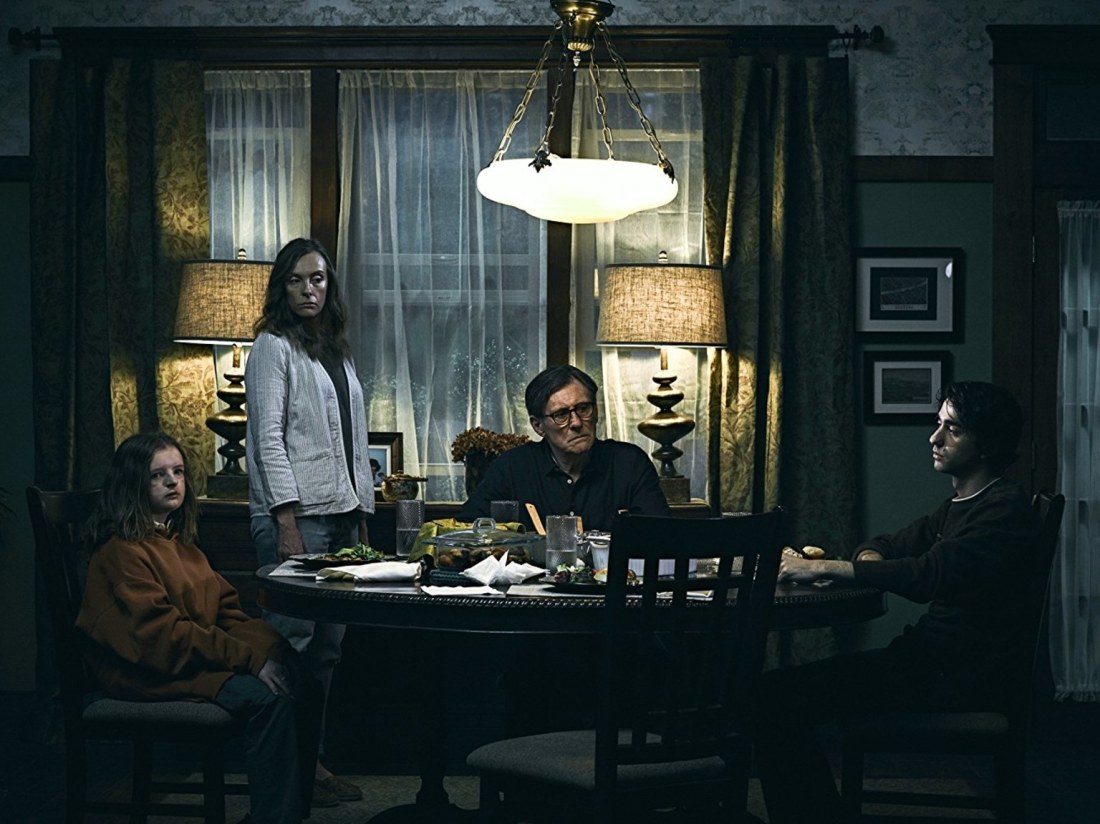
The performances were also breath-taking. Alex Wolff and Toni Collete really enhanced the experience through their haunting facial expressions and dialogue exchanged between each other. I highly admire Collette for her performance, if she doesn’t get nominated or recognised for her performance in this film it would be purely ridiculous, but the academy tend to look over genre films so once again it will go unnoticed. But what I saw was one of my favourite performances in a horror film, up there with Daniel Kaluuya in ‘Get Out.’ Good acting in horror films has started to be neglected due to the fact that audiences have grown to understand that these characters will all be killed off, and the director hires practically anyone that can just pull off the job. Aster blew off this concept entirely, and hired elegant and talented actors that portrayed their characters perfectly.
Ari Aster made a haunted house film that is emotionally taxing as well as terrifying, which I believe is what true horror really is. This concept for mainstream audiences is hard to swallow and almost too much to handle at times. When I walked out of ‘Hereditary’ feeling drained, depressed and scared. I knew it would be up there with some of my favourite horrors, such as ‘The Shining’ and ‘Get Out.’ I congratulate Aster for putting this film into the world, because not everyone loved it like myself, and other film nerds did. It was a risk, but I am so glad he took it.
 Maddy's Film Reviews & Discussions